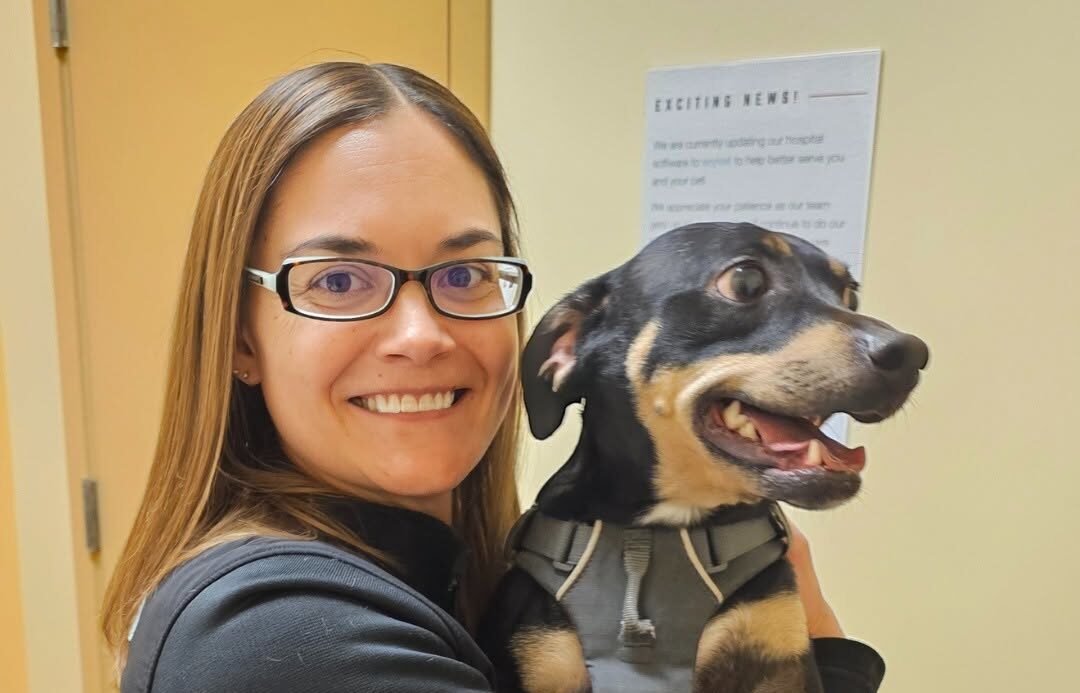
 Medically reviewed by Dr. Andrea Oas, DVM
Pet Vaccinations in Lake Stevens, WA
At North Davies Veterinary Hospital, Dr. Oas tailors every vaccine schedule to your pet’s lifestyle, age, and risk factors.
Vaccines Tailored
to Your Pet's
Lifestyle
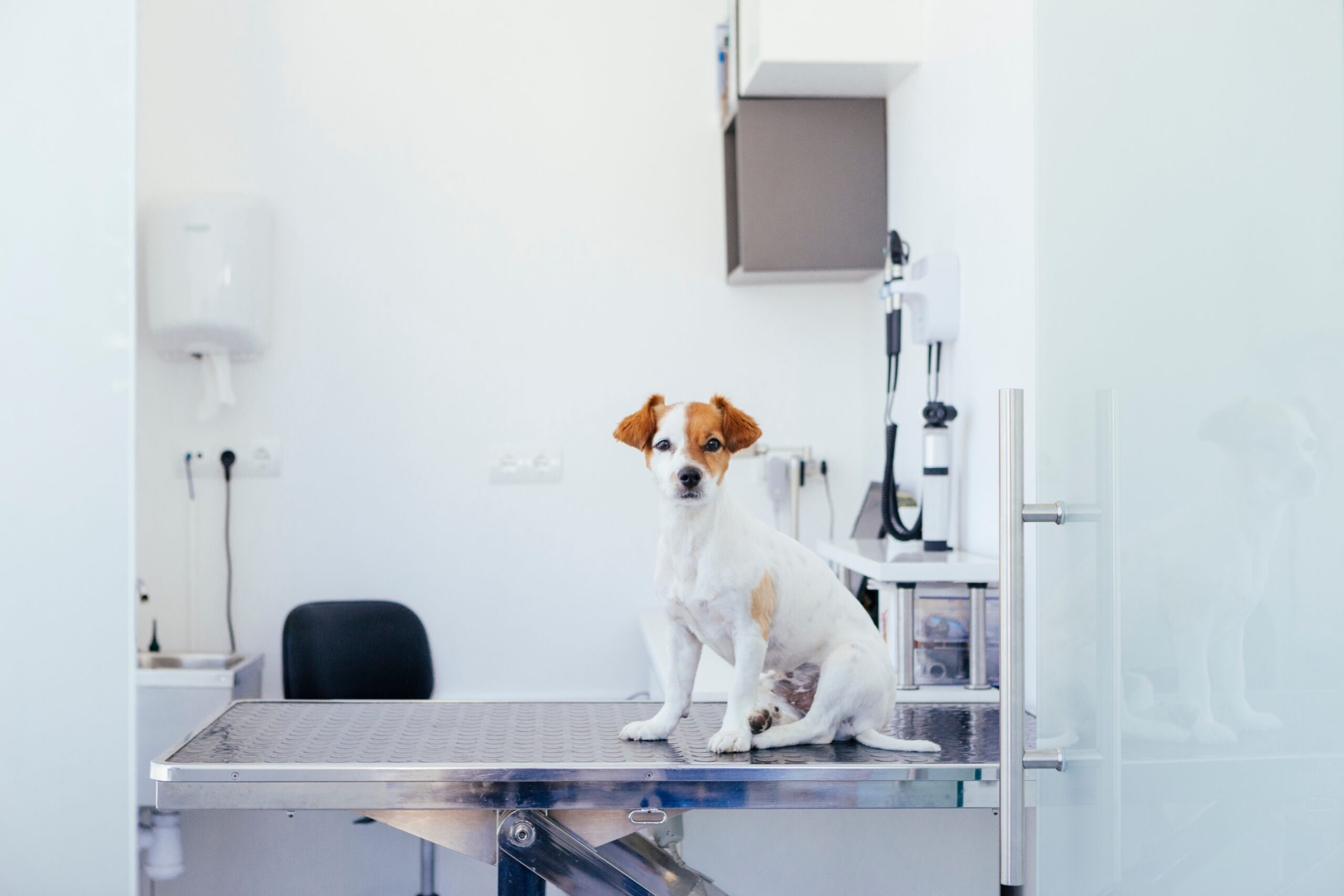
Every pet is different, and their vaccine schedule should reflect that. At North Davies Veterinary Hospital, Dr. Oas takes the time to learn about your pet’s lifestyle, environment, and health history before making any recommendations. An indoor-only cat has very different needs than a dog who spends weekends on the trails, and we build every vaccine plan around the animal in front of us.
Because we are independently owned and operated, our recommendations come from one place: what is actually best for your pet. Dr. Oas will walk you through every vaccine she suggests, explain why it makes sense for your specific animal, and let you know how often it needs to be updated. You will never leave wondering what your pet received or why.
Whether your pet is a puppy or kitten just starting out, an adult due for a booster, or a new patient whose records need a second look, we are here to help you get on track and stay there.
Understanding Your
Pet's Vaccine Options
Pet vaccines fall into two categories: core vaccines and lifestyle vaccines. Core vaccines are recommended for all dogs and cats because they protect against diseases that are common, serious, or pose a public health risk — such as rabies, distemper, and parvovirus. Lifestyle vaccines are given based on your pet’s individual exposure risks. The World Small Animal Veterinary Association (WSAVA) publishes global vaccination guidelines that Dr. Oas references when building individualized vaccine protocols for every patient.
Your Pet's Vaccination Visit
Step 1: Health Review and Exam
Before any vaccines are given, Dr. Oas will do a brief physical exam to make sure your pet is healthy and ready to receive them. We will go over their vaccination history together, talk about any changes in their lifestyle since their last visit, and figure out what is due or overdue. This step makes sure everything happens at the right time and for the right reasons.
Step 2: Vaccine Administration
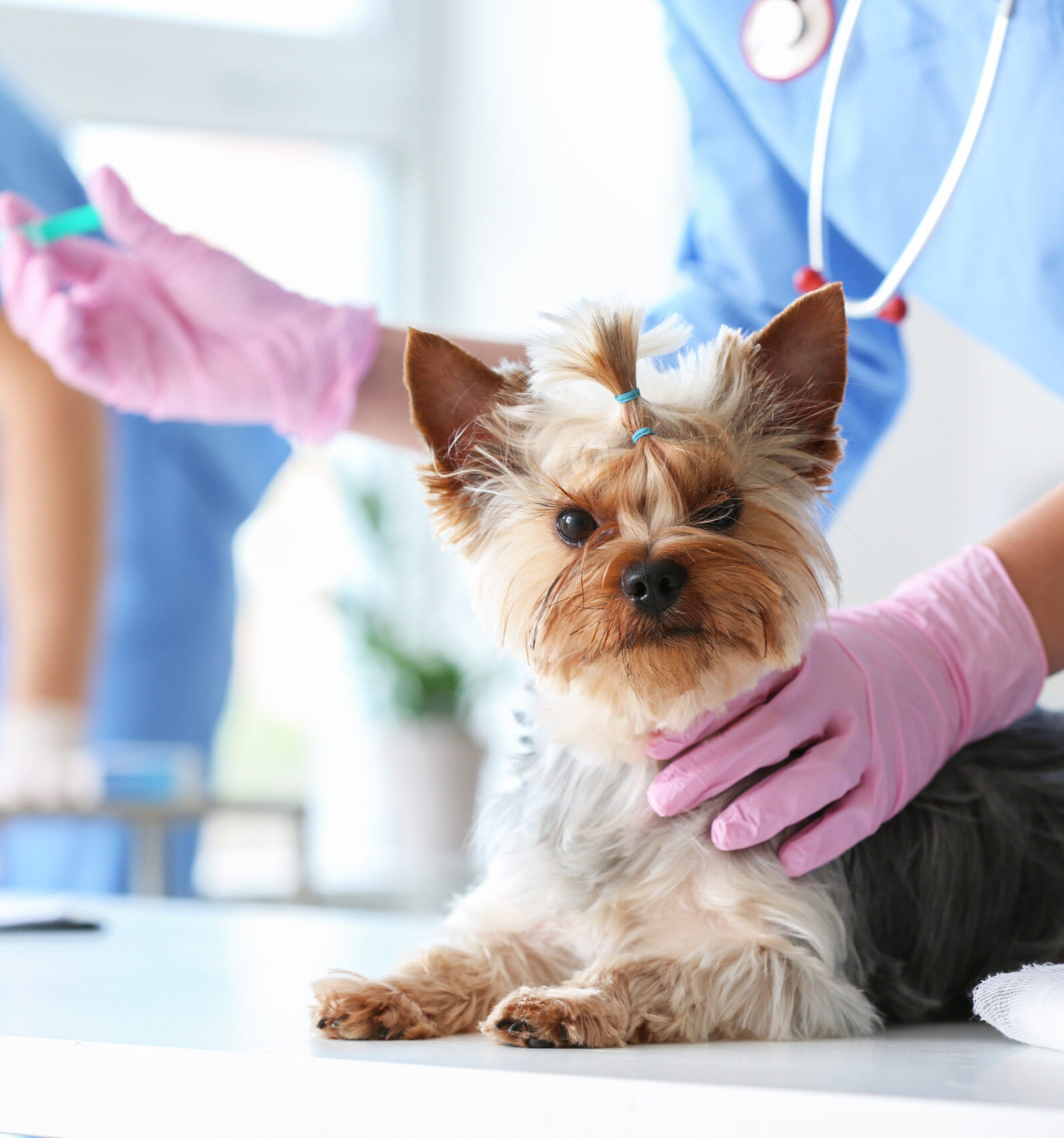
We administer vaccines as gently and calmly as possible. Our team takes their time, pays close attention to how your pet is doing throughout, and adjusts their approach based on how your pet is feeling that day. If your pet tends to be anxious at the vet, please let us know ahead of time. We are happy to talk through ways to make the visit easier for them before you even arrive.
Step 3: Post-Vaccine Guidance
Before you head home, we will tell you what to watch for in the hours after the visit and when your pet’s next boosters are due. Most pets do just fine, but mild fatigue or a little soreness at the injection site is normal for a day or two. We will send you home with a clear vaccination record and a schedule so you always know exactly where your pet stands.
Core and Lifestyle
Vaccines for Dogs and Cats
North Davies Veterinary Hospital offers a full range of core and lifestyle vaccines for dogs and cats. Core vaccines are recommended for all pets and protect against the most serious and widespread diseases. Lifestyle vaccines are chosen based on your pet’s individual risk factors and daily life.
The vaccines below are among the most commonly recommended for dogs and cats in the Lake Stevens area. Dr. Oas will go over these with you during your visit and help you decide what is right for your pet.
Commonly Recommended Vaccines for Dogs and Cats
Dogs:
Rabies
The Rabies vaccine protects against rabies, a fatal viral disease that affects both animals and humans. Rabies vaccination is required by law in many areas and is considered a core vaccine for both dogs and cats. Depending on the vaccine used and your pet’s vaccination history, rabies vaccines may be administered annually or every three years as allowed by state and local regulations. Protecting your pet against rabies also helps protect your family and community.
DAPP
A vaccine that protects dogs against four serious diseases: Distemper, Adenovirus (Hepatitis), Parvovirus, and Parainfluenza. These diseases can cause severe illness and, in some cases, can be life-threatening. Puppies receive a series of DAPP vaccinations, followed by booster vaccinations based on your veterinarian’s recommendations and your dog’s individual risk factors.
Bordetella
The Bordetella vaccine helps protect against kennel cough, a highly contagious respiratory disease commonly spread in places where dogs gather, such as boarding facilities, grooming salons, dog parks, training classes, and daycare facilities. Depending on the vaccine type, boosters may be recommended every 6–12 months based on your dog’s lifestyle and exposure risk.
Leptospirosis
The Leptospirosis vaccine helps protect dogs against Leptospira bacteria, which can cause serious kidney and liver disease and can also be transmitted to people. The initial vaccine series requires two doses given 3–4 weeks apart, followed by annual boosters to maintain protection. This vaccine is recommended for most dogs due to the prevalence of wildlife and standing water exposure.
cats:
Rabies
The Rabies vaccine protects against rabies, a fatal viral disease that affects both animals and humans. Rabies vaccination is required by law in many areas and is considered a core vaccine for both dogs and cats. Depending on the vaccine used and your pet’s vaccination history, rabies vaccines may be administered annually or every three years as allowed by state and local regulations. Protecting your pet against rabies also helps protect your family and com
FVRCP
A vaccine helps protect cats against three common and potentially serious diseases: Feline Viral Rhinotracheitis (herpesvirus), Calicivirus, and Panleukopenia. These diseases can cause severe respiratory illness, oral ulcers, fever, and life-threatening infections, especially in kittens. FVRCP is considered a core vaccine and is recommended for all cats. Kittens receive a series of vaccinations, followed by booster vaccinations based on age, lifestyle, and current vaccination guidelines.
FeLV
A vaccine helps protect cats against Feline Leukemia Virus, a contagious disease that can weaken the immune system and lead to serious illness. A negative FeLV test is recommended before starting the vaccine series to ensure your cat is not already infected. FeLV vaccination is strongly recommended for kittens and cats that spend time outdoors or may have contact with unknown cats. A negative FeLV test is required before vaccination, especially for kittens over a certain age and adult cats with unknown status.
Vaccinations From a
Practice That Knows Your Pet
At North Davies Veterinary Hospital, vaccinations are not just something we check off a list. They are part of an ongoing relationship with your pet’s health. Because we are independently owned, Dr. Oas has the freedom to make recommendations based on your individual animal, not a corporate protocol that applies the same approach to every patient. Every vaccine we suggest has a clear reason behind it, and we will always take the time to explain it.
We are currently welcoming new patients in Lake Stevens and the surrounding Snohomish County area. If your pet is overdue for vaccines or if you are simply looking for a practice that will take the time to actually get to know your animal, we would love to meet you. Booking is easy through our online scheduling system, and paperless intake means your first visit starts without any extra hassle.
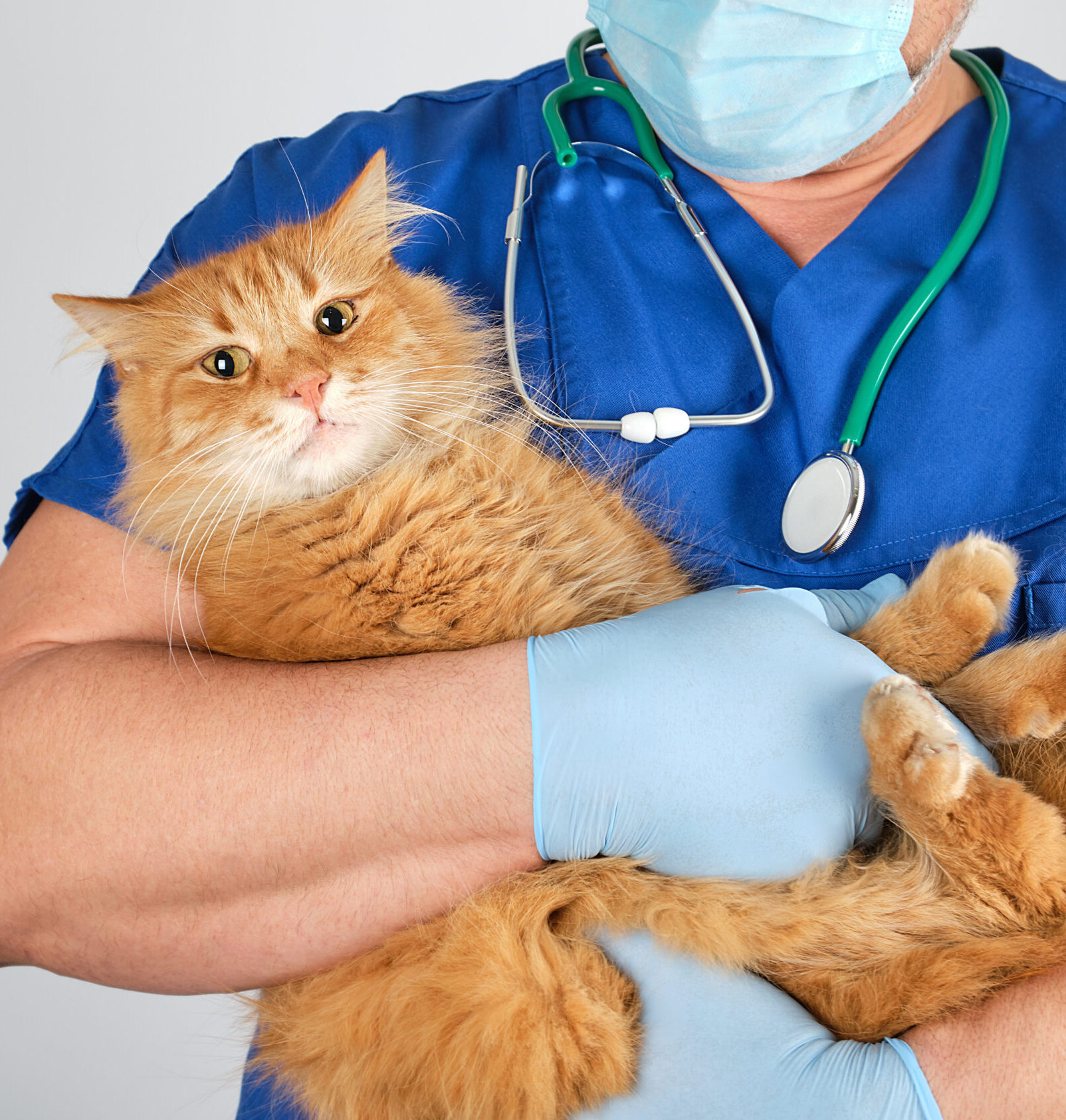
What You Can Expect at Every Visit to North Davies Veterinary Hospital
Community
Focused
FULL
TRANSPARENCY
Individualized
Care
Affordable
Treatment
FAQS
How do I know which vaccines my pet needs?
The best way to find out is to come in for a wellness exam. Dr. Oas will review your pet’s vaccination history, talk through their lifestyle and any exposure risks, and put together a personalized schedule that makes sense for them. As a starting point, all dogs and cats should be current on core vaccines, and lifestyle vaccines are added based on individual factors like whether your dog visits dog parks or boarding facilities, or whether your cat spends any time outdoors.
Are there any side effects I should watch for after my pet's vaccines?
Most pets handle vaccines without any trouble. Mild soreness at the injection site, a little fatigue, or a reduced appetite for a day or two are all normal and typically resolve on their own. Serious reactions are rare but can include facial swelling, hives, vomiting, or difficulty breathing. If you notice any of those signs after your pet’s visit, reach out to us right away. Before you leave, we will always go over what to watch for so you feel confident heading home.
Testimonials Sourced From Google Reviews.